What to Know Before Selling Your Excavator or Skid Steer in East Texas

At some point, every piece of equipment outlives its job on your property. Maybe a project wrapped up and the excavator's been sitting since. Maybe you're upgrading to a newer skid steer and don't need two. Whatever the reason, once you've decided to sell, the next question is usually the practical one: what actually happens next, and how do you make sure you get a fair number for it?
This guide walks through what East Texas buyers actually look at when evaluating used equipment, what to have ready before you make that first call, and how a direct sale typically compares to other ways of moving equipment.
What Buyers Actually Look At
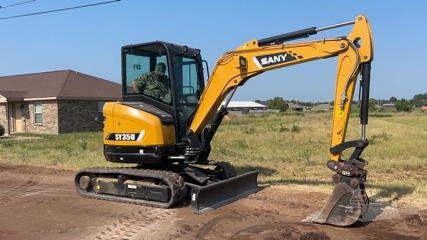
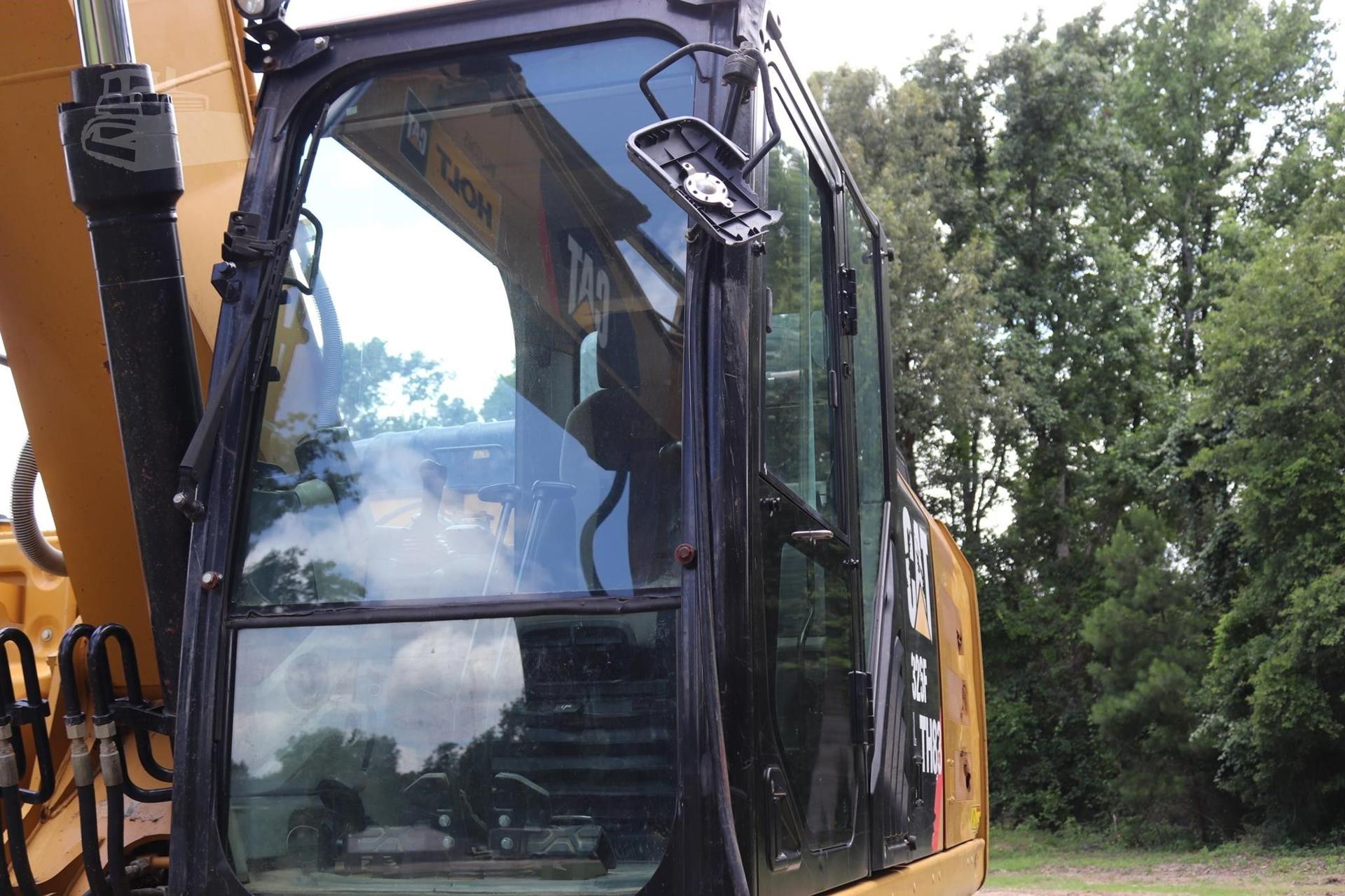
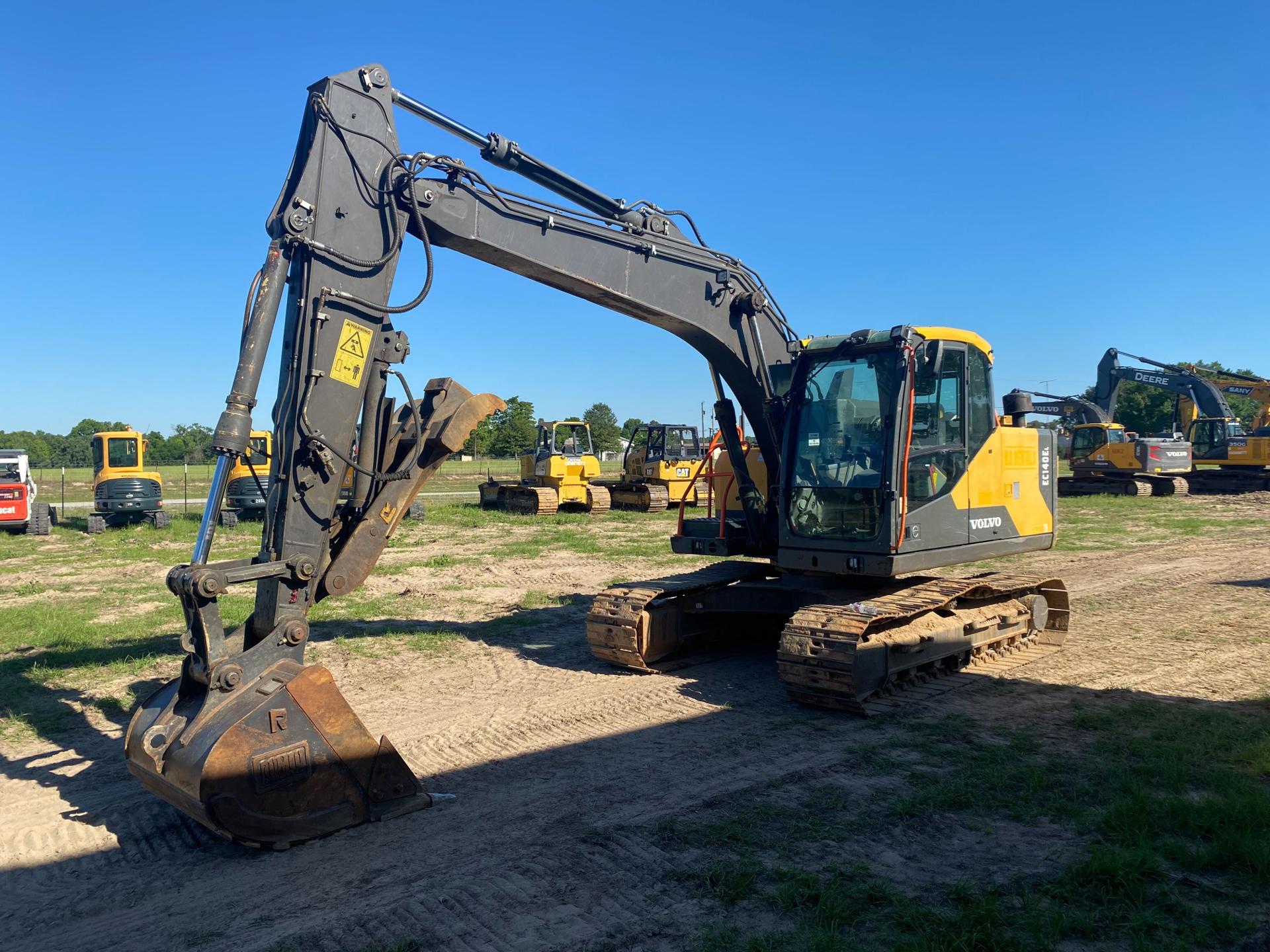
Condition and hours drive most of the conversation when it comes to valuing a used excavator, skid steer, or dozer, but the specifics matter more than a lot of sellers expect. Undercarriage wear on excavators, tire condition on skid steers, and how the cab and controls have held up all factor into how a buyer sizes up a machine, alongside the number on the hour meter itself.
If you're wondering how hours specifically affect value and buyer confidence, our article on how many hours is too many for a used excavator breaks down how buyers think about this from the purchasing side, and that same thinking applies directly when you're the one selling. Knowing what a buyer is going to scrutinize before they ask about it puts you in a much stronger position going into the conversation.
Documentation Worth Having Ready
A little preparation before you list a machine goes a long way toward a smoother, faster sale. Having your title or proof of ownership ready is the first essential piece, since this is required before any sale can actually close. Beyond that, any service history or maintenance notes you have, even informal records of major repairs or routine maintenance, help build buyer confidence and can support a stronger offer than a machine with no documented history at all.
Clear, well-lit photos matter more than sellers often expect. Photos of the undercarriage or tires, the cab, and the hour meter give a buyer a real sense of the machine's condition before they ever see it in person, which speeds up the evaluation process considerably compared to a seller who shows up with a couple of blurry phone photos and hopes for the best.
Running or Not, It's Still Worth a Call
A lot of sellers assume a non-running machine isn't worth reaching out about, but that's rarely true. Running and non-running units are both worth discussing, since condition gets evaluated case by case rather than automatically ruled out because a machine isn't currently operational. If you've got equipment sitting idle because of a mechanical issue you never got around to fixing, it's still worth a conversation rather than assuming it has no value as-is.
Direct Sale vs. Consignment vs. Auction
Sellers generally have a few paths available: selling directly to a local dealer, consigning equipment through an auction house, or listing it independently and handling the sale yourself. Each comes with real tradeoffs. Auction and consignment routes can sometimes generate strong final prices through competitive bidding, but they typically come with fees, commission, and a longer timeline before you actually see payment.
A direct sale to a local buyer skips that waiting period and the associated fees, with an offer made after a straightforward evaluation and a close that can often happen within a few business days once paperwork and inspection are complete. For sellers who need to move a machine quickly, whether to free up yard space or reinvest in different equipment, that speed is often worth more than squeezing out the last possible dollar through a longer sale process.
How Pricing Actually Gets Determined
Fair market pricing for used equipment reflects a combination of condition, hours, current demand for that specific machine type, and how the broader used equipment market is trending at the time of sale. Skid steers and excavators in good working condition with reasonable hours tend to move quickly in East Texas, given how much active demand there is locally for land clearing, site prep, and general construction work.
Our comparison of skid steers vs. mini excavators is useful context here too, since understanding what makes each machine type valuable for different jobs helps explain why demand, and therefore pricing, can vary between equipment types even when hours and condition are similar. A well-maintained machine that fits a common, in-demand use case typically sells faster and for a stronger price than a less common configuration, even if both are in comparable shape.
What to Expect on Timeline
Once you've reached out and provided the basic details, evaluation typically happens quickly, often followed by an offer within the same conversation or shortly after. If you accept, closing generally happens within a few business days after inspection and paperwork are complete, a timeline that's considerably faster than what most consignment or auction routes can offer, where payment often isn't finalized until well after the sale event itself.
Selling Locally vs. Shipping Equipment Out of State
Selling to a local East Texas buyer avoids the complications that come with shipping heavy equipment across state lines, arranging transport, coordinating logistics, and managing a buyer you've never met in person handling a transaction remotely. A local, family-owned buyer familiar with the East Texas market, serving areas from Tyler out to Lindale, Bullard, Whitehouse, Jacksonville, Flint, Mineola, and Chandler, understands regional demand and can often make a straightforward, fair offer without the added friction of a long-distance transaction.
Preparing Your Equipment Before You Sell
A few simple steps before reaching out can help a machine present better and sell with less back-and-forth. Basic cleaning, clearing off accumulated dirt and debris, goes a long way toward a strong first impression, even without investing in major cosmetic work. Addressing small, inexpensive issues, a dead battery, a loose panel, a minor hydraulic leak, before you call can prevent a buyer from mentally discounting an otherwise solid machine over something quick and cheap to fix.
If you're also weighing whether it makes more sense to sell now or squeeze out another season of use first, it's worth thinking about ongoing costs. Our article on land clearing cost per acre in East Texas and our guide on skid steer rental cost in Tyler, TX both give a sense of what it actually costs to get comparable work done without owning the equipment yourself, which is a useful comparison point if you're deciding between selling outright and simply renting equipment for future occasional projects instead.
Common Mistakes That Cost Sellers Money
A few avoidable habits show up again and again and tend to work against sellers without them realizing it. Waiting too long to sell idle equipment is one of the most common. A machine sitting unused doesn't just lose value to depreciation on the calendar; deferred maintenance and slow-developing issues, a battery that finally dies, seals that dry out from sitting, tend to pile up the longer equipment sits idle, and each of those adds friction to an eventual sale.
Overestimating value based on what a machine originally cost, rather than what similar equipment is actually selling for in current condition, is another common misstep. Purchase price years ago has little bearing on what a machine is worth today, and sellers who anchor their expectations to the original sticker price often end up disappointed or drag out a sale trying to find a buyer willing to pay a number the current market simply doesn't support. Getting a straightforward, honest evaluation early gives you a realistic number to work from rather than a guess based on outdated pricing.
Working With a Family-Owned Local Buyer
Selling a piece of equipment you've relied on, sometimes for years, is easier when you're working with people who understand the machines and treat the process fairly rather than trying to lowball a seller who doesn't know what their equipment is actually worth. A family-owned shop that evaluates honestly, communicates clearly, and closes quickly takes a lot of the stress out of what can otherwise feel like an intimidating process, especially for a first-time seller unsure of what to expect.
If you're ready to get a real evaluation on your excavator, skid steer, or dozer, our sell your equipment page walks through exactly what we need to get started and how quickly we can typically turn around an offer.
Final Thoughts
Selling used equipment doesn't have to be complicated or drawn out. Having your title and service history ready, taking clear photos of the undercarriage, cab, and hour meter, and understanding how condition and hours factor into a fair offer all help the process move quickly once you decide to sell. Whether your machine is running strong or has been sitting idle for a while, a straightforward conversation with a local buyer is usually the fastest way to find out what it's actually worth.