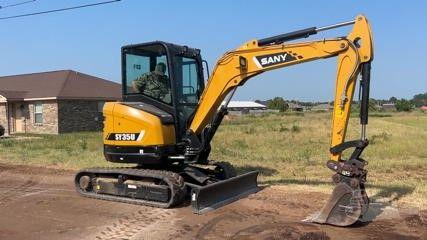
Mini Excavator Rental vs. Purchase for a One-Time Land Clearing Project in East Texas
Landowners facing a single land clearing project, opening up a homesite, clearing a pond area, or removing brush from a defined parcel, often default to buying a mini excavator without seriously working through whether renting actually makes more financial sense for a job with a clear beginning and end. Understanding the real cost comparison between renting and buying for a genuinely one-time project helps East Texas landowners avoid tying up capital in equipment that may sit unused once the specific job is finished.
Defining What "One-Time" Actually Means for Your Project
Before comparing rental and purchase costs, it's worth being honest about whether a project is truly one-time or whether it's the first of several land-related tasks likely to come up over the following years. A landowner clearing a single homesite with no other planned projects on the horizon faces a genuinely different calculation than one clearing a homesite this year with plans to also clear a pond site, driveway, and pasture area over the following two or three years.
Our article on land clearing cost per acre in East Texas covers the cost factors that go into estimating a specific clearing project's scope, and working through that estimate honestly, including whether additional projects are genuinely likely down the road, is the necessary first step before deciding whether rental or purchase actually fits your situation.
Rental Cost for a Defined Project Timeline
Renting a mini excavator for a defined project timeline typically costs considerably less upfront than purchasing, and rental rates scale with the actual duration needed rather than requiring the full capital outlay of a purchase regardless of how long the machine actually gets used. For a landowner with a genuinely one-time clearing need, rental cost for the days or weeks the project actually requires is usually far lower than the total cost of ownership on a purchased machine that then sits unused once the project wraps.
Rental also eliminates ongoing costs that come with ownership regardless of usage, storage, insurance, maintenance, and the eventual resale process, all of which apply whether a purchased machine runs constantly or sits idle most of the year. Landowners should request actual rental quotes for their project's realistic timeline before assuming purchase is the more economical path, since the comparison often favors rental more clearly than intuition alone suggests for a truly single-project need.
Purchase Cost and What Ownership Actually Requires
Buying a mini excavator means committing to the full purchase price upfront, plus ongoing costs including maintenance, storage, insurance, and eventually the effort and uncertainty of reselling the machine once it's no longer needed. Our guide on selling a used excavator or skid steer in East Texas covers what that resale process actually involves, and landowners considering purchase for a one-time project should factor in this eventual resale effort and the very real possibility of taking a meaningful depreciation loss on a machine used for only a single short project.
Ownership does make sense when a landowner has genuine ongoing need beyond the immediate project, ranch maintenance, multiple properties, or a pattern of recurring land work that would otherwise require repeated rental transactions over time. The purchase decision should hinge on this honest assessment of future need rather than the specific mini excavator model or a good deal on a particular used machine that happens to be available.
Comparing Total Cost Across a Realistic Timeline
A useful exercise for landowners genuinely uncertain between rental and purchase is calculating total rental cost for the specific project at hand, then comparing that figure against the full cost of purchase, expected resale value after the project, and the ownership costs incurred during the holding period. For most truly single-project needs, this comparison favors rental clearly, since the depreciation and ownership costs on a purchased machine used briefly rarely get offset by a strong enough resale outcome to make purchase competitive.
Landowners should also factor in opportunity cost, the capital tied up in a purchased machine that could otherwise go toward other property improvements or investments, when doing this comparison, since a rental approach frees up that capital for other uses rather than locking it into equipment ownership for a project with a defined end date.
Matching Machine Size to Your Specific Project
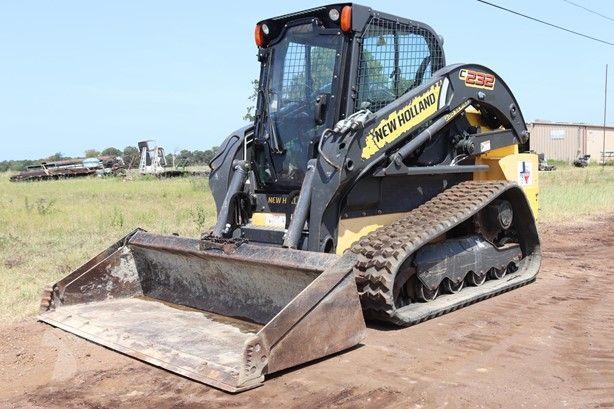
Whether renting or buying, sizing the mini excavator correctly to your specific project matters considerably for both cost efficiency and actual job performance. Our comparison of skid steers versus mini excavators covers the broader machine category decision, and within the mini excavator category specifically, landowners should size digging depth, reach, and bucket capacity to their actual project needs rather than renting or buying more capacity than a specific homesite or pond clearing job genuinely requires.
Oversizing adds unnecessary rental or purchase cost without corresponding project benefit, while undersizing can mean a project takes considerably longer than expected or requires bringing in a larger machine partway through, an outcome that undermines whatever cost savings a smaller rental or purchase was meant to deliver in the first place.
Attachment Needs for a Land Clearing Project
Land clearing projects often benefit from specific attachments beyond a standard digging bucket, brush cutters, root rakes, or grapple attachments depending on the specific vegetation and debris being cleared. Our overview of land clearing attachments for skid steers and excavators covers these options in more depth, and landowners renting for a one-time project should confirm attachment availability and rental cost as part of their overall project budget, since attachment rental adds to total project cost beyond the base machine rate and needs to be factored into an accurate rental-versus-purchase comparison.
When Renting a Larger Machine Makes More Sense
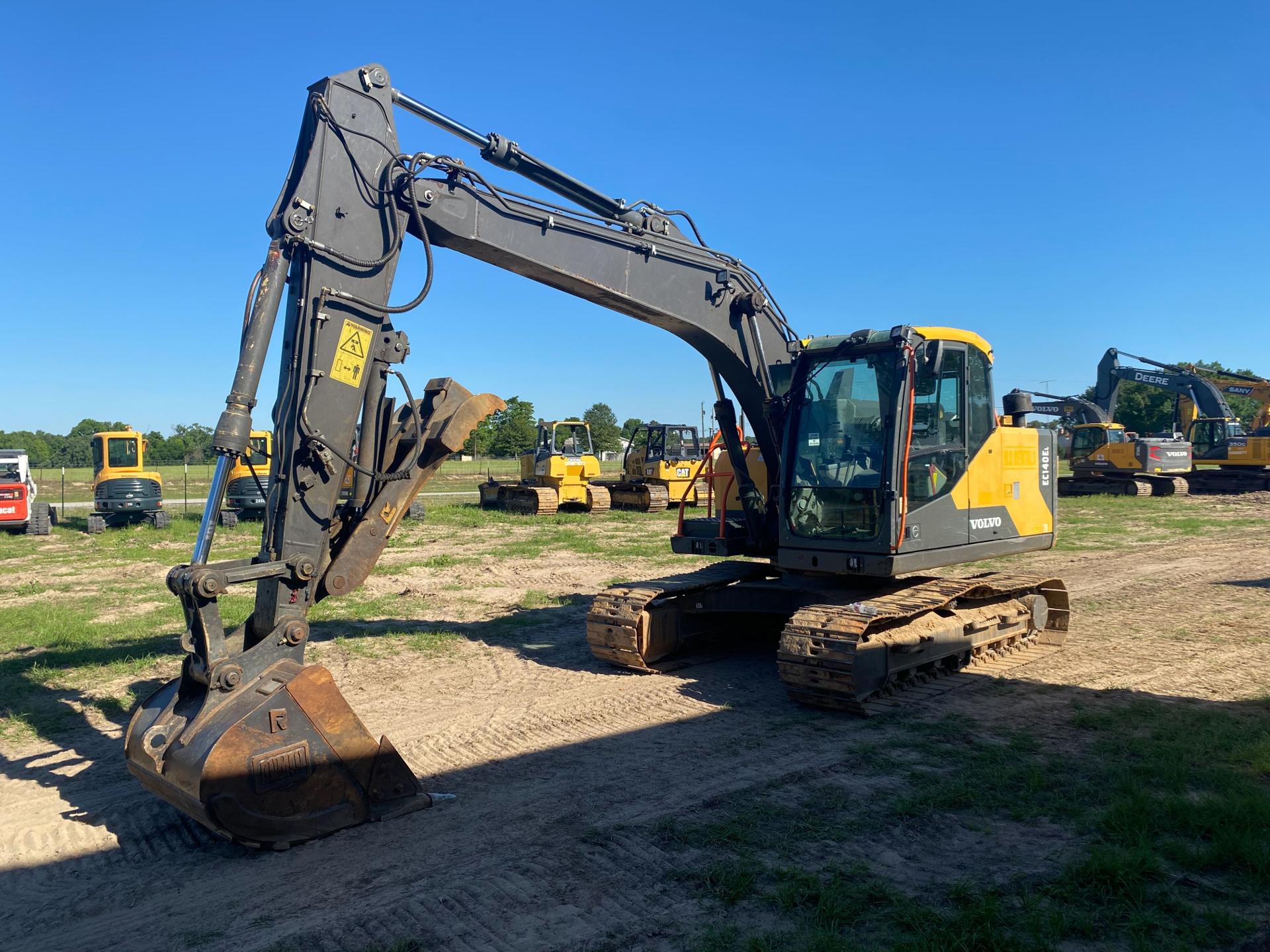
Some East Texas clearing projects are better suited to a dozer or larger excavator than a mini excavator, particularly for denser brush or larger acreage where a mini excavator's smaller capacity would extend project timeline considerably. Our comparison of dozers versus excavators for East Texas land clearing helps landowners confirm they're even comparing the right machine category before getting into the rental-versus-purchase decision specifically, since choosing the wrong machine size or type undermines the value of getting the financing decision right.
Delivery, Pickup, and Transport Logistics
Rental decisions should also account for delivery and pickup logistics, since transporting a mini excavator to a rural East Texas property can add cost depending on distance from the rental yard. Landowners should confirm delivery fees upfront and factor them into their total rental cost comparison, since a rental that looks inexpensive on a daily rate basis can look considerably different once delivery and pickup charges for a more remote property get added to the total.
Purchased equipment avoids repeated delivery costs across multiple projects but still requires the owner to arrange transport for the initial purchase and any future relocation between job sites on a larger property, using either a trailer the owner already has or arranging transport through the dealer at the time of purchase. Landowners without existing trailer capacity suited to hauling a mini excavator should factor this transport capability, or its added cost if arranged through a third party, into their overall decision alongside the more commonly discussed rental-versus-purchase cost comparison.
Insurance Considerations for Either Path
Rented equipment typically requires proof of insurance coverage, and landowners without an existing policy that extends to rented heavy equipment may need a short-term rental damage waiver or supplemental coverage, adding a modest cost to the overall rental budget that's worth confirming before the rental begins. Purchased equipment requires the owner to carry their own ongoing insurance coverage for the life of ownership, an additional recurring cost that factors into the true total cost of ownership beyond the purchase price itself.
Landowners comparing the two paths should request specifics on insurance requirements and cost from both a rental provider and, separately, their own insurance agent for a hypothetical purchase, since this cost difference, while often overlooked, contributes meaningfully to an accurate total cost comparison between renting for a single project and owning equipment outright.
Making the Right Call for Your Specific Project
For most landowners facing a genuinely one-time land clearing need, renting a mini excavator delivers better overall value than purchasing, avoiding the ownership costs, resale uncertainty, and tied-up capital that come with buying a machine that won't see ongoing use. Landowners with realistic plans for future property work, however, should run the full comparison honestly rather than assuming rental is always the better answer, since genuine ongoing need can shift that calculation meaningfully in favor of ownership over time, once delivery, insurance, and resale factors are all weighed honestly against a straightforward rental quote for the specific job at hand.