Skid Steer or Compact Track Loader for East Texas Ground Conditions
A skid steer that handles a job perfectly well in dry conditions can struggle considerably once East Texas clay soil gets saturated after a heavy rain, and this is exactly where the choice between wheels and tracks stops being a minor preference and starts mattering directly for whether a job actually gets done on schedule. Skid steers and compact track loaders look similar at a glance, but the difference between wheels and tracks changes how each machine performs across this region's genuinely variable ground conditions.
The Core Difference: Wheels vs. Tracks
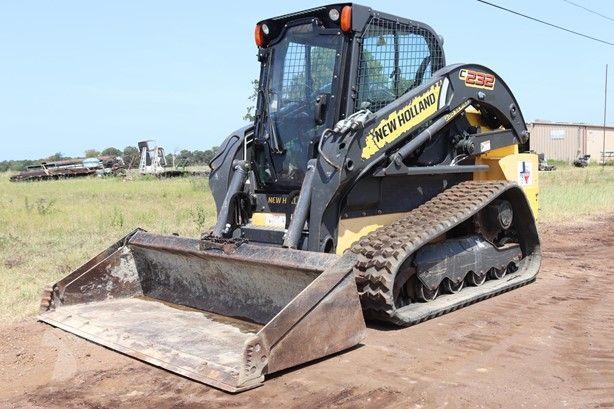
Skid steers run on four wheels, while compact track loaders replace those wheels with a continuous rubber track system on each side. This fundamental difference drives nearly every other performance distinction between the two machines. Wheels handle firm, stable surfaces efficiently and offer strong maneuverability on pavement or well-compacted ground. Tracks distribute a machine's weight across a much larger surface area, reducing ground pressure and allowing compact track loaders to work effectively on soft, wet, or uneven terrain where a skid steer's wheels would struggle for traction or risk getting stuck entirely.
Why East Texas Clay Makes This Decision Matter More
East Texas's clay-heavy soil behaves very differently wet versus dry, turning genuinely soft and difficult to traverse after significant rainfall in a way that sandier or more well-drained soil in other regions doesn't experience to the same degree. Our article on land clearing costs per acre in East Texas touches on how site conditions affect project planning, and ground condition variability deserves specific attention when choosing between a skid steer and a compact track loader, since a machine choice that works fine during a dry stretch can become a genuine liability once seasonal rain saturates the same ground.
Where Track Loaders Clearly Win
Sites with soft, muddy, or recently disturbed soil, common after clearing work or during East Texas's wetter months, favor tracks considerably. A skid steer attempting the same work on saturated clay risks spinning wheels, creating deep ruts that damage the site further, or losing traction entirely in conditions a track loader would traverse without much difficulty. For contractors regularly working land clearing sites where soil condition is unpredictable, or projects scheduled during wetter parts of the year, a compact track loader's reduced ground pressure represents a genuine operational advantage rather than an unnecessary upgrade.
Where Skid Steers Still Make Sense
For firm, stable ground, paved surfaces, compacted gravel, or dry, well-established soil, skid steers perform perfectly well and typically cost less to rent than a comparable compact track loader. Our guide on skid steer rental costs in Tyler, TX covers this cost consideration directly, and for contractors working primarily on stable, developed sites during drier stretches of the year, a skid steer often represents the more cost-effective choice without sacrificing meaningful performance for the actual conditions being worked.
Cost Differences Worth Understanding
Compact track loaders generally cost more to rent than comparable skid steers, reflecting the added engineering and material cost of a track undercarriage compared to a simpler wheel system. This cost difference is worth weighing honestly against how much your specific project actually depends on a track loader's soft-ground advantage, since paying the premium for capability you don't genuinely need on a firm, dry site erodes the value a lower-cost skid steer would have delivered just as effectively.
How This Compares to the Skid Steer vs. Mini Excavator Decision
Our comparison of skid steer vs. mini excavator covers a different but related equipment decision, choosing between machine categories built for genuinely different core tasks, digging versus material movement. The skid steer versus track loader decision covered here sits one level deeper, choosing the right undercarriage configuration once you've already determined a skid-steer-style machine fits your task better than an excavator would. Both decisions matter, and neither should be treated as a minor detail settled purely by whatever happens to be available.
Matching Machine Choice to Land Clearing Work Specifically
Our comparison of dozers vs. excavators for land clearing in East Texas covers larger equipment decisions for heavier clearing work, and skid steers and track loaders often play a supporting role on these same projects, handling material movement, debris consolidation, and lighter grading work alongside the primary clearing equipment. Ground conditions during a land clearing project frequently shift as work progresses, exposed soil and disturbed ground becoming more vulnerable to moisture issues than the original, undisturbed site condition, which is exactly the kind of scenario where a track loader's soft-ground capability pays off even on a project that started on relatively firm ground.
Checking Used Equipment Condition for Either Type
Our guide on how many hours is too many for a used excavator covers evaluating wear on used equipment, and this same evaluation discipline applies to used skid steers and track loaders, with track loaders specifically deserving extra scrutiny of track and undercarriage condition given how much this component costs to replace compared to a skid steer's simpler tire replacement. Confirming actual track wear and remaining service life protects against inheriting a significant, imminent repair cost that a less careful inspection might miss.
Common Mistakes When Choosing Between These Machines
A few recurring mistakes show up when contractors select between skid steers and track loaders without enough attention to actual ground conditions. Defaulting to whichever machine sits available on the lot, rather than confirming it actually fits the specific site's conditions, often leads to reduced productivity on a job better suited to the other type. Assuming a track loader is always the safer choice regardless of conditions overlooks the real cost premium this assumption carries when applied to firm, dry ground where a skid steer would have performed just as well for considerably less. Underestimating how quickly East Texas clay conditions can shift after unexpected rainfall, and not building any contingency into equipment planning for this variability, can leave a project stuck with the wrong machine right when weather actually changes mid-project.
Avoiding these mistakes starts with treating ground condition assessment as a genuine, upfront step in equipment planning, checking both current conditions and the realistic chance of rain before a job actually begins.
Attachment Compatibility Between the Two
Both skid steers and compact track loaders generally share the same attachment mounting system, meaning buckets, forks, augers, and other common attachments typically work across either machine type without needing separate, dedicated attachments for each. This shared compatibility means a contractor who already owns attachments for one machine type doesn't necessarily need to replace an entire attachment inventory when adding the other machine type to a fleet, a practical consideration worth factoring in alongside the core ground-condition tradeoffs covered above.
Selling Equipment You No Longer Need
Our article on selling a used excavator or skid steer in East Texas covers this process for contractors looking to move equipment they've outgrown or no longer need. If your business has shifted toward more soft-ground or wet-condition work and your current skid steer isn't keeping up with that shift, evaluating whether to sell it and move toward a track loader instead is a legitimate business decision worth weighing honestly against your actual, current project mix rather than sticking with equipment that no longer matches your typical work.
Building Fleet Flexibility for Variable Conditions
Contractors working a genuine mix of firm and soft-ground sites across a typical East Texas season sometimes find real value in having access to both machine types, rather than committing exclusively to one and accepting reduced performance whenever conditions don't match that single choice. Renting the specific machine matched to each job's actual ground conditions, rather than defaulting to whatever you already own regardless of fit, keeps every project running at the pace its actual conditions allow rather than fighting equipment poorly suited to the ground in front of it.
Questions Worth Asking Before You Choose
A few direct questions help confirm which machine actually fits your next job. What ground conditions will this specific site realistically present, firm and stable, or soft and unpredictable given recent or forecasted rainfall? Is this a one-time job on known, stable ground, or ongoing work where conditions might shift as a project progresses or as seasons change? And does the cost premium for a track loader's soft-ground capability actually make sense given how much this specific job genuinely depends on that advantage, versus a skid steer handling the work just as well for less.
Final Thoughts
Skid steers and compact track loaders solve genuinely different ground condition challenges, and East Texas's clay-heavy soil, which behaves so differently wet versus dry, makes this choice matter more here than it might in a region with more consistent, predictable ground conditions year-round. Matching wheels or tracks to your actual site conditions, rather than availability or habit alone, protects both your project timeline and your rental budget from a mismatch that only becomes obvious once you're already fighting the wrong machine on ground it was never built to handle well, often at exactly the moment a deadline matters most.